Almost every serious buyer I sit down with in south Chennai lands on the same question, usually after a few weekends of site visits and a lot of second-guessing: should I just buy a flat, or hold out for an independent house? It sounds like a matter of taste. In practice it is one of the largest financial calls you will make, and the right answer shifts depending on where you are looking and what you actually need from the property over the next ten to fifteen years.
The honest position is that neither option is better in the abstract. A 2 BHK in Velachery and a house plot in Selaiyur serve very different buyers, and the same budget buys very different things in each. What trips people up is comparing them on the wrong terms, almost always price per sq ft, while ignoring everything that follows the purchase: who maintains it, how it appreciates, how easily you can sell, and whether your daily routine actually suits one over the other.
This guide walks through that comparison the way I would over a long conversation at our office, with the south Chennai realities built in. Land near the core is genuinely scarce now, so the geography of the two choices is not the same, and that matters more than most buyers expect when they start out.
What your budget actually buys in each
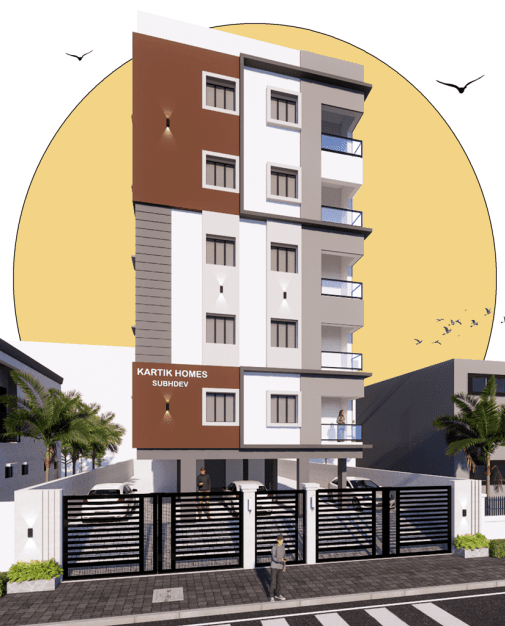
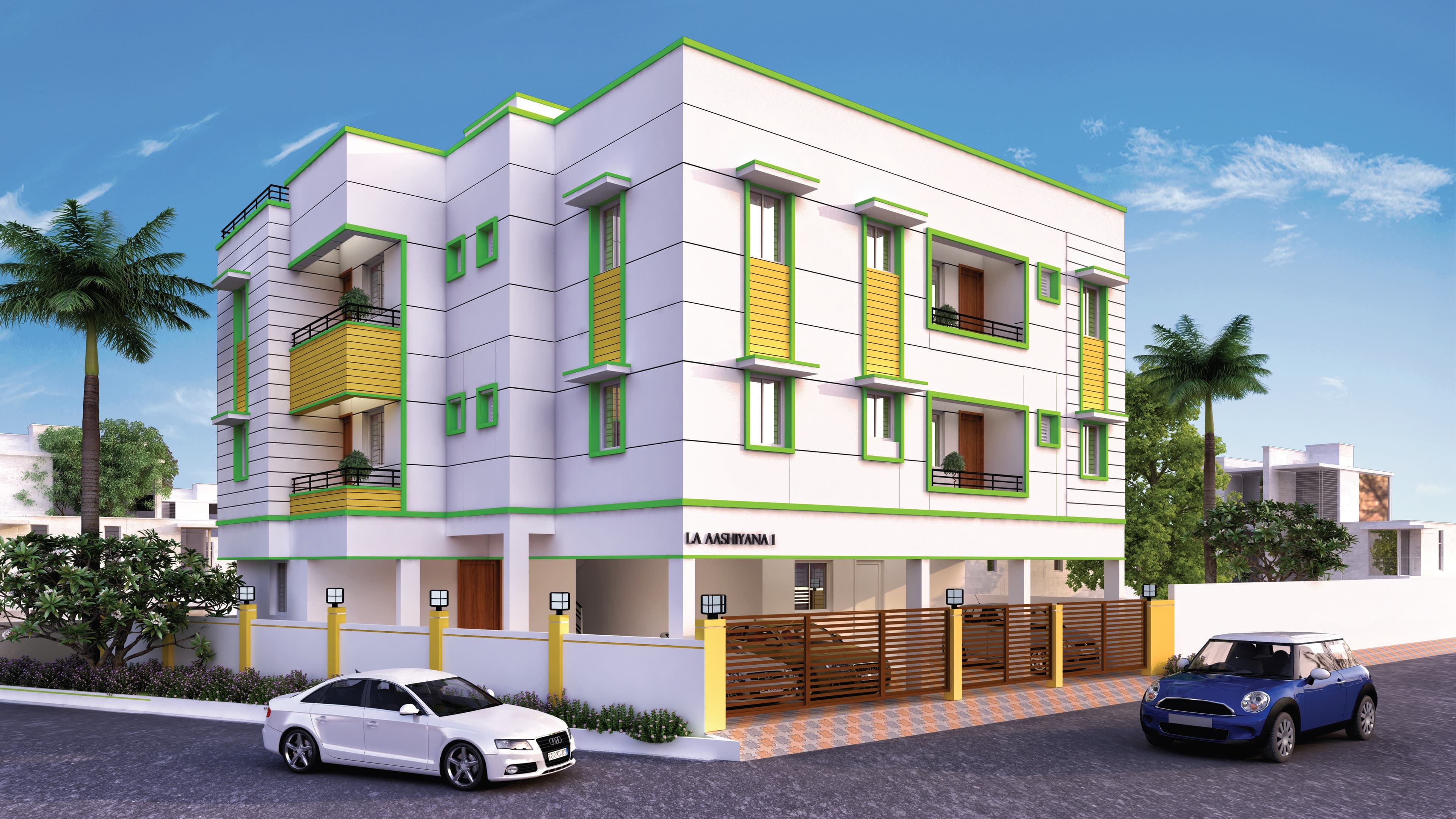
Start with the money, because it sets the boundary for everything else. In a developed pocket like Velachery, Nanganallur or Pallikaranai, a fresh 2 BHK of roughly 950 to 1,100 sq ft typically sits somewhere in the range of 80 lakh to 1.1 crore as of 2026, depending on the builder and how close you are to the main roads. A 3 BHK in the same belt usually pushes past a crore. What you are buying is built-up area, shared amenities and a small undivided share of the land underneath.
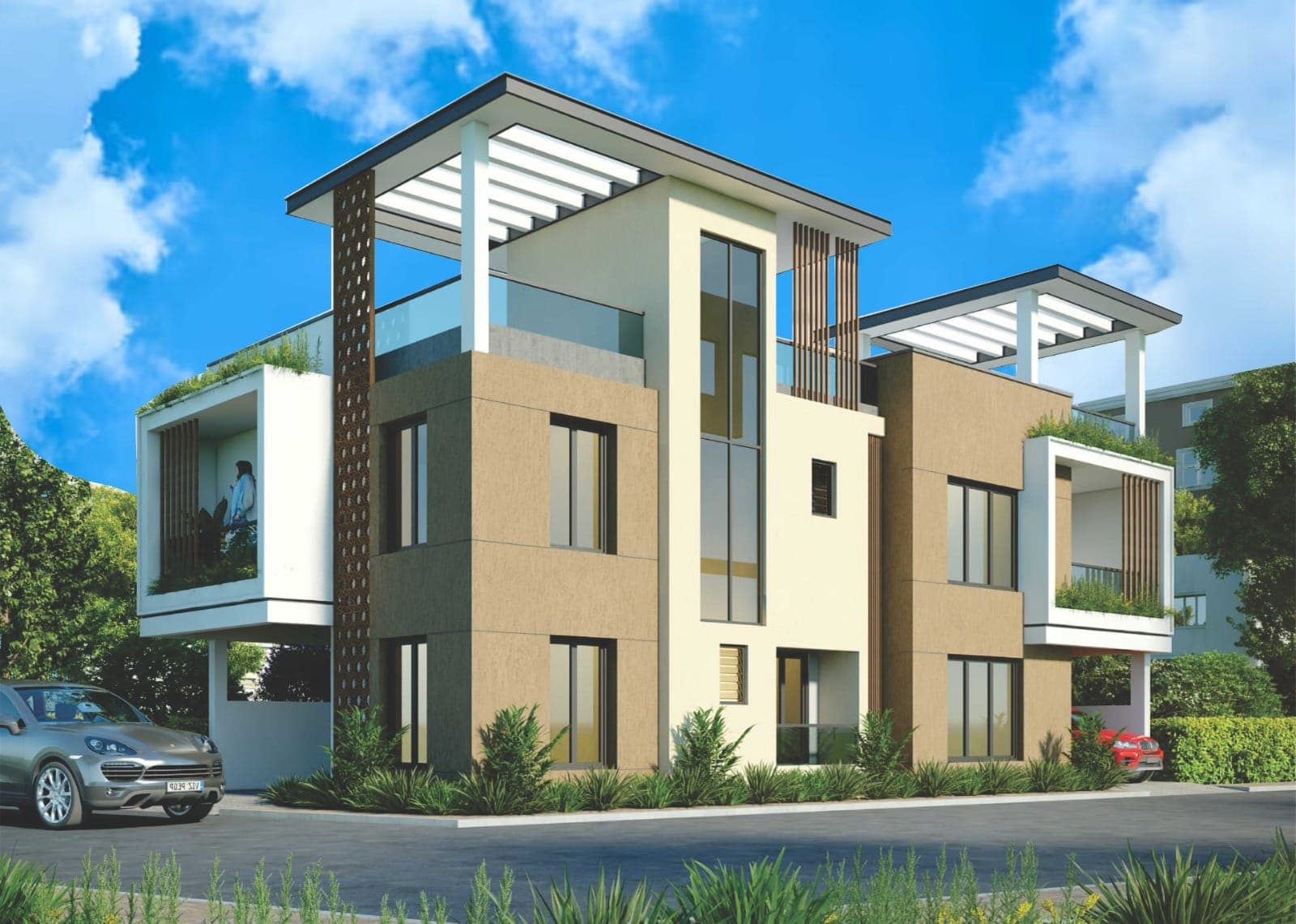
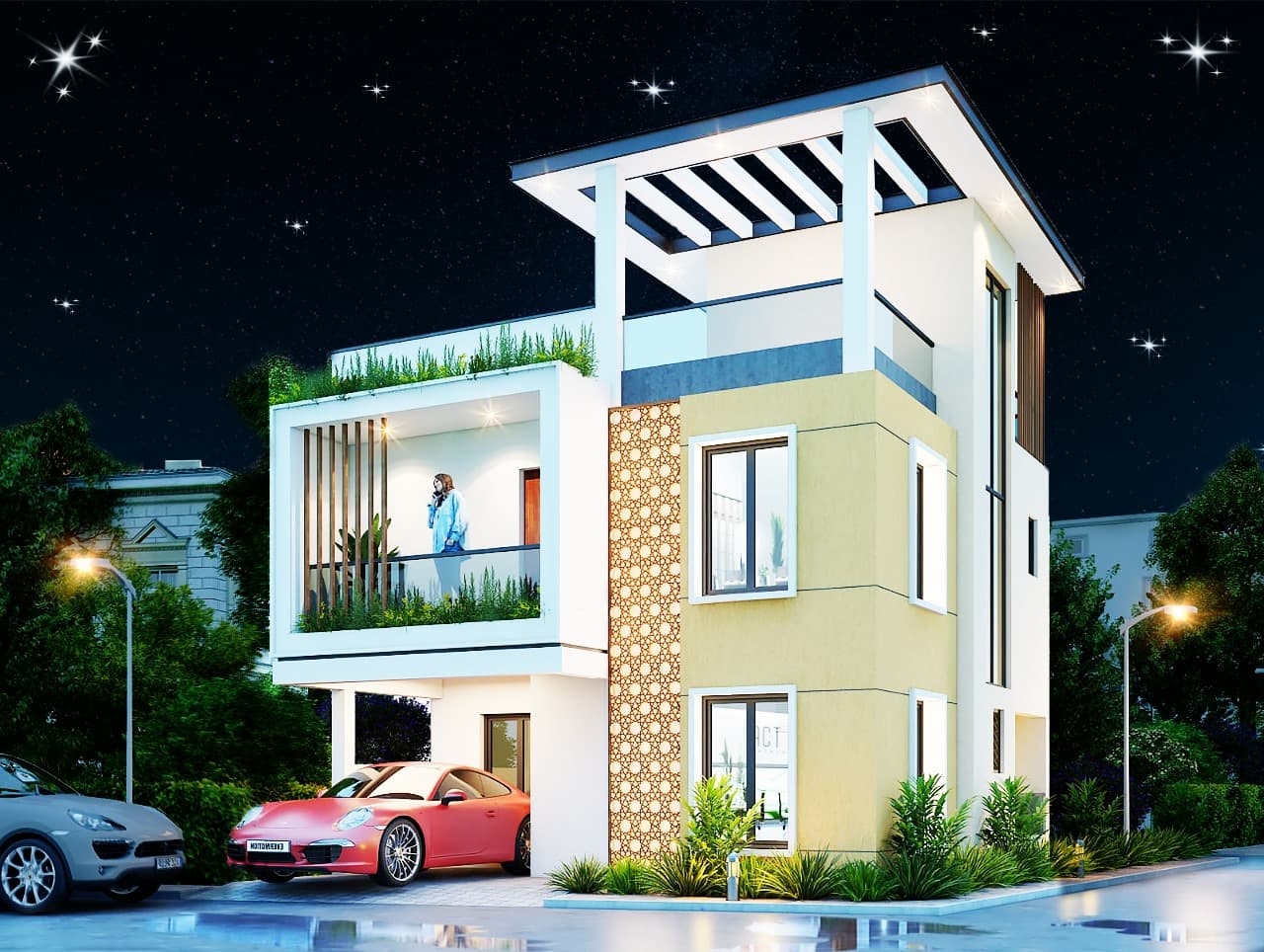
An independent house is a different shape of purchase. For roughly the same money you will not get a house in the core. You move outward, to Medavakkam, Sembakkam, Rajakilpakkam, Selaiyur or the edges of East Tambaram, where a 1,200 to 1,800 sq ft plot with a built G+1 becomes realistic. Here a large part of what you pay is the land itself, and the building sits on top of it.
That single difference, how much of your purchase is land versus structure, drives almost everything else in this comparison.
- Apartment: more built-up space and amenities for the budget, but a tiny land share (your UDS), usually in the developed belt close to work and schools.
- Independent house: a real piece of land you own outright, more usable and expandable space, but typically further from the core with the entire upkeep on you.
- Per sq ft is misleading: flats look cheaper per sq ft of built area, while a house's value is concentrated in land that is not measured the same way at all.
Appreciation: land rises, buildings age
This is the part most buyers underweight. A concrete structure is a depreciating asset. It ages, it needs repairs, and it is worth a little less in real terms every year as the roof, plumbing and wiring get older. Land does the opposite. In a supply-constrained corridor it tends to appreciate over time, and in south Chennai land near the core is the scarcest thing of all.
For an independent house, that is the whole appeal. You own the land directly, so over a long hold the appreciation accrues to you even as the building depreciates. A buyer ten years out may well value the plot and treat the house as something to renovate or rebuild. If the location is right, the land does the heavy lifting.
With an apartment, your stake in the land is the Undivided Share, your UDS. This is the proportionate slice of the plot legally attached to your flat, and it is what protects the long-term value of an apartment as the building ages. A flat with a healthy UDS in a good location holds value far better than one where the builder squeezed the land share to fit in more units. It is one of the first numbers I check on any apartment, and most buyers never think to ask for it.
Maintenance and effort: a society versus you
This is where lifestyle and money meet. In an apartment, a management committee and the owners' association carry the shared burden: the lift, the common water and sump, the generator, security, corridor lighting, the compound. You pay a monthly maintenance charge and, broadly, things get handled without you organising them. The trade-off is that you live by the rules of a collective and you cannot opt out of decisions the association makes.
An independent house is entirely yours, in both senses. There is no association to call when the overhead tank leaks, the motor burns out, the terrace waterproofing fails before the monsoon, or the compound wall needs repainting. You arrange it, you supervise it, you pay for it. Plenty of buyers genuinely enjoy that control. Others underestimate how much weekend time and mental load it absorbs, especially through the Chennai monsoon, when a house demands attention a flat simply does not.
Neither is free. The flat's costs are predictable and pooled; the house's costs are lumpy and tend to land on you all at once. Buyers often forget that the running cost of a property continues long after registration. It is worth reading through the real cost of owning a flat in Chennai before assuming either option is cheap to hold.
Security, privacy and usable space
On paper, gated apartments win on security. There is a manned gate, CCTV, visitor logs and neighbours within earshot. For a family where everyone is out during the day, or for someone who travels often, that counts for a lot. The cost is privacy: shared walls, shared lobbies, and a fair amount of living alongside other people's routines and noise.
An independent house gives you privacy and space no flat can match. No shared walls, your own gate, a terrace you control, and often a small setback or garden. The flip side is that security becomes your problem to solve, with grilles, a solid door, cameras and ideally neighbours you trust. In quieter, still-developing stretches of Sembakkam or the outer parts of Medavakkam, an empty house can feel exposed in a way a flat in a busy block never does.
Room to grow
The other real advantage of a house is expandability. If you buy a G+1 with the structure designed for it, you can add a floor later as the family grows or to create a rental unit. An apartment is fixed at the day you buy it. For a joint family, or anyone planning to keep parents and children under one roof over the long term, that ability to build upward is often the deciding factor.
Amenities and daily lifestyle
Apartments bundle a lifestyle: a gym, a small park or play area, a community hall, sometimes a pool, and a ready set of neighbours your children grow up with. For young families, and for buyers who want a community without building one from scratch, that is a genuine draw. Just stay clear-eyed that amenities also raise your monthly maintenance, and some of them sit unused. I always tell buyers to weigh which features they will actually touch against which just look good in the brochure, a point worth reading in full in our note on apartment amenities that matter.
A house gives you a blank canvas instead of a curated package. No pool or shared gym, but also no crowd, no committee, and the freedom to use your space exactly as you like, whether that is a home office, a workshop or a terrace garden. It suits people who value autonomy over a ready-made facility list.
How financing differs
Home loans treat the two differently, and this catches buyers off guard. For a flat in an approved project from a known builder, financing is usually clean; many lenders have already vetted the project, and your loan covers the apartment cost in a straightforward way. For an independent house, the picture splits. Lenders distinguish between a plot loan, a construction loan and a composite loan for a ready house, and the terms, tenure and loan-to-value can be tighter on the land component.
Approvals matter even more for a house. Banks want clean title, an approved building plan, and the structure built to sanction. An unapproved or deviated construction, which is not rare in the outer belts, can make a house hard to finance at all, and that in turn shrinks your pool of future buyers. Before you fix a budget, it is worth checking your home loan eligibility for south Chennai flats and confirming how the lender will treat a house purchase specifically.
Resale liquidity and rental potential
This is where flats hold a clear, often underestimated edge. There are simply more buyers for a 2 or 3 BHK in a known location at a known price band. A flat in Velachery or Pallikaranai is a liquid asset; you can usually find a buyer within a reasonable window, and the price is easy to benchmark against neighbouring units. That liquidity has real value when you need to exit on your own timeline rather than the market's.
Independent houses sit in a thinner market. Each one is unique in size, layout and condition, so pricing is less standard and the buyer pool is smaller. A good house in the right location still sells, but it can take longer and the negotiation is more individual. If a quick, predictable exit is part of your plan, weight that heavily.
Rental returns
- Apartments rent faster and to a wider tenant pool, especially near IT corridors and good schools. Yields in the developed belt are modest but steady, and a flat is easy to lease and re-lease.
- Houses can earn more if you let out a separate floor, giving you a rental unit and your own residence in one property. But finding a tenant for a full house takes longer and the tenant pool is narrower.
- The realistic read: for pure rental income with low fuss, a flat usually wins; for owner-occupier-plus-rental flexibility, a multi-floor house can do more. Our rental yields breakdown sets realistic expectations by locality.
So who should buy which?
After all the comparisons, it comes down to who you are and how you want to live. Here is the read I give most buyers.
An apartment suits you if
- You want lock-and-leave convenience and would rather not manage upkeep yourself.
- Proximity to work, schools and the developed core matters more than owning land.
- Security, ready amenities and a built-in community appeal to you.
- You value resale liquidity and the option to exit quickly.
- You are buying primarily as an investment or first home with a clear hold horizon.
An independent house suits you if
- You want to own land directly and capture its long-term appreciation.
- Privacy, no shared walls and full control over your space matter to you.
- You may expand later, add a floor, house a joint family or create a rental unit.
- You are comfortable taking on maintenance and a longer resale timeline.
- You are willing to move further out, to Medavakkam, Sembakkam, Selaiyur or East Tambaram, to get the land.
The geography is the quiet decider. If your life is anchored to the core, an apartment is usually the practical answer, because houses there are scarce and expensive. If you can live a little further out and you want land with room to grow, an independent house in the value belts can be the better long-term hold, provided the title and approvals are clean.
The bottom line
An apartment buys you convenience, liquidity and a foot in the developed core. An independent house buys you land, privacy and the freedom to grow, at the cost of effort, distance and a slower resale. Run your actual budget against what each delivers in the specific locality you are weighing, and check the documents just as hard either way. The structure of the deal differs, but the discipline of verifying title, approvals and undivided share does not.
If you want to pressure-test your shortlist against real numbers, these guides go deeper: resale vs new construction in south Chennai, the Rajakilpakkam and Selaiyur value belt, buying in Medavakkam, the property documents field checklist, and our note on EC, Patta and Chitta for Tamil Nadu buyers. When you are ready to weigh a specific property, reach out to our team and we will walk it through with you.
Tags

Muthamil Selvan
Senior Property Consultant
An experienced real estate professional with deep insights into Chennai's property market trends and investment opportunities.