If you have spent a few weekends comparing flats in Velachery and Medavakkam, you already know the feeling. The 3 BHK you actually want is always a little out of reach, and the 2 BHK you can afford feels tight the moment you picture furniture in it. At some point a broker or a friend mentions Rajakilpakkam, or its neighbour Selaiyur, and your first reaction is probably that it sounds far.
It is not as far as it sounds, and that gap between perception and reality is exactly where the value sits. This belt runs just east of Sembakkam and brushes up against East Tambaram. Close enough to the Tambaram railway hub and Camp Road to be usable for a daily commute, far enough out that land is still priced like a residential suburb rather than a hot zone.
This is a practical read for buyers and investors looking at south Chennai in 2026. We will compare the belt honestly against the better-known localities, walk through connectivity, the builder landscape, realistic price ranges, the everyday infrastructure that decides whether you actually enjoy living somewhere, and the specific checks that matter here.
Where this belt sits, and why people overlook it
Rajakilpakkam and Selaiyur are adjoining residential pockets on the Tambaram side of south Chennai. Picture the line running from Sembakkam towards Tambaram. Rajakilpakkam sits along it, and Selaiyur tucks in just beyond, closer to the Tambaram Sanatorium and Camp Road end. Both grew up as quiet residential layouts rather than commercial centres, which is why they read as sleepy on a first visit.
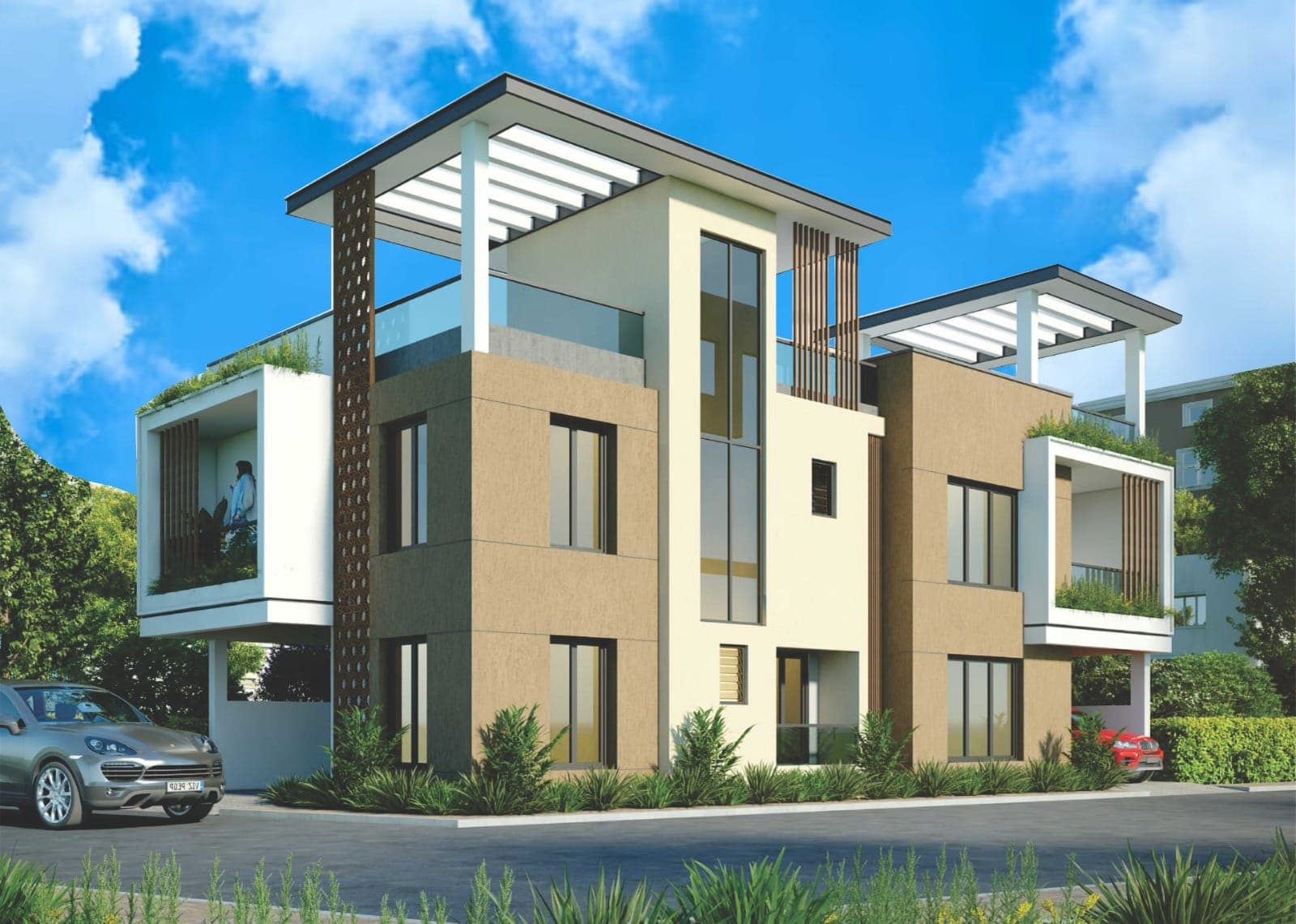
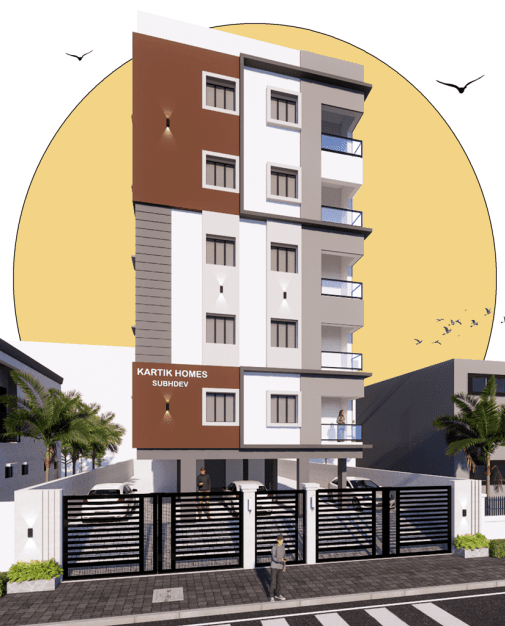
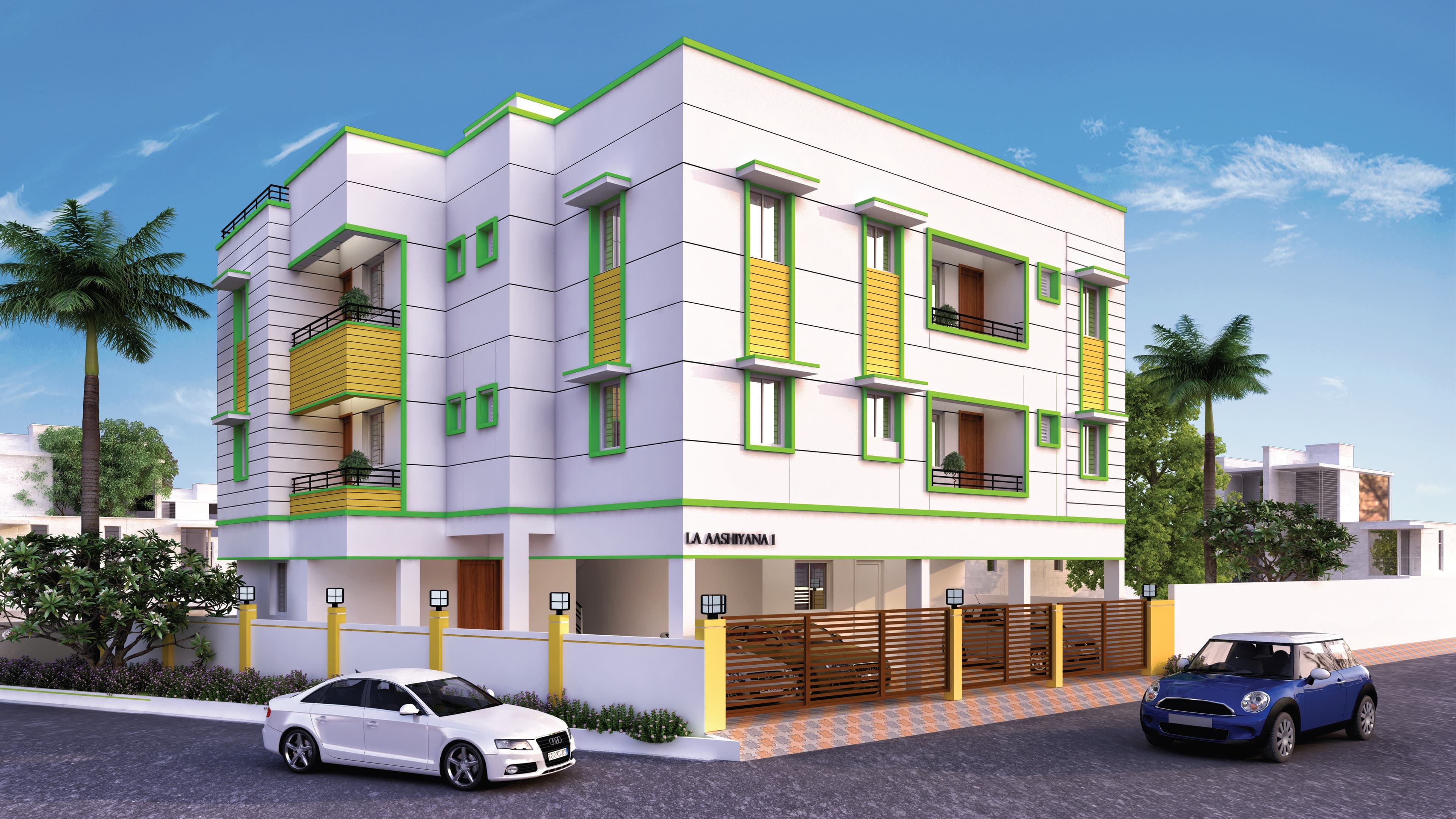
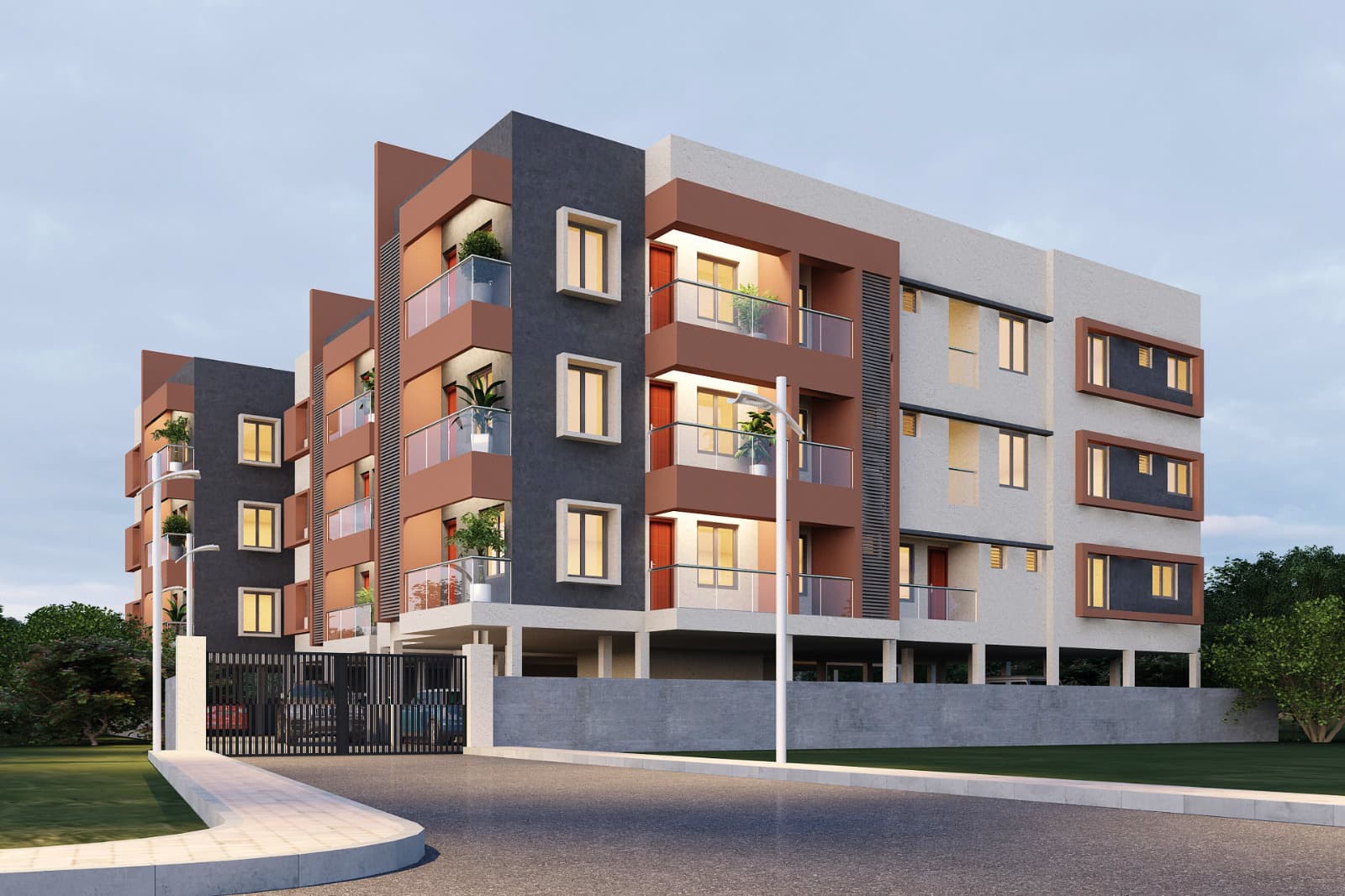
That quietness is the point. There is no single landmark mall or tech park anchoring the area, so it never developed the loud, traffic-choked main road that pushes prices up in places like Velachery. What you get instead is a grid of independent houses, older gated layouts, and a steady stream of new stilt-plus-three and stilt-plus-five apartment projects from local builders filling in the gaps.
The Sembakkam connection matters here. If you have read our take on why Sembakkam is an underrated residential belt, the logic for Rajakilpakkam and Selaiyur is similar. Just one step further out, and a notch cheaper per square foot.
The value case: more sq ft for the rupee
This is the headline reason buyers end up here. The same budget that buys a compact 2 BHK in Velachery can buy a comfortable 3 BHK in Rajakilpakkam or Selaiyur, often with covered parking and a slightly better builder spec, because the lower land cost left more room in the budget for the flat itself.
As a rough guide for 2026, ready-to-move flats in this belt typically sit in the range of 6,000 to 8,500 per sq ft, depending on the builder, the project's age, and how close it is to the main roads. Velachery commonly runs well into five figures per sq ft for anything decent, and prime Nanganallur is higher still. Medavakkam sits in between. The gap is real, and it is the single biggest argument for looking out here.
To put numbers on the flat itself rather than the rate, here is roughly where things land as of 2026:
- 2 BHK (around 850 to 1,000 sq ft): typically in the range of 55 to 80 lakh, depending on builder, floor and how new the project is.
- 3 BHK (around 1,150 to 1,400 sq ft): typically in the range of 80 lakh to 1.2 crore, with the upper end reserved for newer stilt-plus-five projects from the better-known local builders.
- Resale and older stock: can run noticeably cheaper per sq ft, sometimes 10 to 20 percent below new construction, though you trade off on amenities and lift quality.
- Independent house plots: still exist here and remain a real option for families who want to build, which keeps the apartment market honest on price.
If you want to see how the belt stacks up against the better-known names side by side, our Velachery, Medavakkam and Nanganallur comparison is a useful frame to read alongside this one.
Connectivity: closer than it looks on a map
What surprises people about Rajakilpakkam and Selaiyur is how connected they actually are, once you stop measuring by straight-line distance to OMR and start measuring by what you use daily.
Road access
- Velachery-Tambaram Road is the spine. It links the belt back towards Velachery and the Phoenix Marketcity side on one end, and down to Tambaram on the other.
- Camp Road runs through the Selaiyur and Tambaram side and is the natural connector for anyone heading towards the Tambaram bus terminus and the GST Road stretch.
- The GST corridor (NH 45) is within easy reach via Tambaram, which is what makes this belt work for people commuting towards Chromepet, Pallavaram, the airport, or the industrial belt further south.
Rail and the Tambaram hub
The big connectivity asset is the Tambaram railway hub. Tambaram is a major suburban terminus, and for a lot of office-goers heading into the city, a train from Tambaram is faster and more predictable than fighting road traffic. Living a short auto ride from that hub is genuinely valuable, and it is something Velachery and Medavakkam buyers do not get in the same way.
The builder landscape: mostly mid-size and local
You will not find many of the big-name pan-India developers building here yet. The Rajakilpakkam and Selaiyur market is dominated by mid-size Chennai builders and established local players who put up stilt-plus-three and, increasingly, stilt-plus-five projects of anywhere from 8 to 30-odd units.
This cuts both ways, and it is worth understanding clearly. The upside is price. Local builders carry lower overheads and brand premiums, so you pay for the flat and not the logo. The good ones here have been building in the south Chennai belt for years and have a reputation to protect with the very neighbours who are their next customers.
The downside is variance. Quality swings hard from builder to builder, and a glossy brochure tells you nothing. Two projects on the same street can differ enormously in construction quality, in how honestly the saleable area is calculated, and in how the builder behaves after handover when something needs fixing. With local builders, track record is everything.
Stilt-plus-three versus stilt-plus-five
Most older stock here is stilt-plus-three, which often means no lift and a top floor that bakes in summer. Newer stilt-plus-five projects usually come with a lift, slightly better common areas, and a marginally higher price. For families planning to stay long term, or anyone with elderly parents, the lift alone often justifies the premium. Our note on choosing a floor for Chennai's heat, monsoon and noise is worth a read before you pick a unit.
Schools, hospitals, temples and daily life
This belt scores better on everyday infrastructure than its quiet reputation suggests, largely because it leans on the established Tambaram and Sembakkam ecosystem next door.
- Schools: the broader Tambaram, Selaiyur and Camp Road area has a long list of well-known schools and colleges, including names that families specifically move here for. This is one of the belt's genuine strengths for buyers with children.
- Hospitals: multi-speciality hospitals along the Velachery-Tambaram Road and towards Tambaram and Medavakkam cover most needs, with the larger Chromepet and Tambaram facilities not far via GST.
- Temples and community: the area has a settled, family character with established temples and a strong local community feel, which is part of why people who move here tend to stay.
- Daily shopping: for everyday provisions the local markets and stores are adequate, and for larger retail the Velachery malls and the Tambaram commercial stretch are both within a reasonable drive.
Water deserves its own mention, because it is the one daily-life factor that quietly makes or breaks a flat in this part of Chennai. Metro Water coverage is uneven across the belt, and many projects rely partly or fully on borewells plus tanker support in summer. This is not a dealbreaker, but it is a question you ask early, not late.
Who this belt actually suits
Rajakilpakkam and Selaiyur are not for everyone, and pretending otherwise does buyers no favours. They make most sense for a specific kind of buyer.
- Value-conscious families who want a real 3 BHK with parking and a lift, and are willing to trade a marginally longer commute for 15 to 25 lakh of savings versus Velachery.
- First-time buyers stretching to own rather than rent, for whom the lower entry price is the difference between buying now and waiting three more years. The East Tambaram under 70 lakh guide covers the neighbouring price band well.
- People working the GST and Tambaram side, including Chromepet, Pallavaram, Tambaram and the southern industrial belt, for whom this location is genuinely central rather than a compromise.
- Long-term end-users over short-term flippers. Appreciation here tends to be steady rather than explosive, so the belt rewards people who plan to live in the flat, not those looking to exit in 18 months. If yield is part of your thinking, our rental yields breakdown for south Chennai is the right companion read.
If you are weighing a 2 BHK against a 3 BHK on a stretched budget, the extra room is more affordable here than almost anywhere comparable, which shifts the maths. Our 2 BHK versus 3 BHK decision framework is the right companion read for that call.
What to check before you sign
Because this is a local-builder market, due diligence matters more here than in a branded project where some of the risk is already priced out. None of this is exotic, but skipping it is how people end up stuck.
Builder track record
Go and physically see two or three of the builder's completed projects, ideally ones that are three to five years old rather than freshly handed over. Talk to residents. Ask about seepage in the monsoon, lift breakdowns, and whether the builder actually showed up to fix snags after handover. A builder's behaviour after the sale tells you more than any sample flat does.
Approvals
Confirm whether the building is CMDA or DTCP approved, and that the approved plan matches what is actually built. Unapproved extra floors are a known problem in this kind of belt, and they create real headaches with home loans, resale and even occupancy. Banks are stricter than buyers about this, which is a useful filter in itself.
UDS, documents and water
- Undivided share of land (UDS): ask for the exact UDS attached to your flat in writing. In smaller local projects the UDS allocation can be opaque, and a low UDS hurts both your long-term land value and any future redevelopment upside.
- Core documents: patta, chitta, a clean encumbrance certificate (EC), the parent and sale deeds, and the approved plan. Our property documents field checklist for Chennai walks through each of these.
- Water source: ask directly whether the flat runs on Metro Water, borewell, or tankers, and what the summer reality is. Speak to existing residents, not just the builder.
- Carpet versus saleable area: local builders vary in how they quote area. Know what you are actually paying for. Our guide on carpet, saleable and super built-up area explains the difference.
The honest bottom line
Rajakilpakkam and Selaiyur are not glamorous, and they are not the place to chase quick capital gains. What they offer is something a lot of 2026 buyers actually need: a genuine 3 BHK in a settled, family-friendly area, close to the Tambaram rail hub and the GST corridor, at a price that leaves room to breathe. For value-conscious families, first-timers, and anyone whose working life points towards the Tambaram side, this quiet belt deserves a serious look rather than a quick dismissal.
The trade-off is straightforward. You take on a bit more homework on the builder and the documents in exchange for more home for your money. Do that homework properly and this is one of the better-value calls in south Chennai right now.
To go deeper, read our guides on resale versus new construction in south Chennai, home loan eligibility for south Chennai flats, and stamp duty and registration charges in Tamil Nadu. If you would rather have someone walk the belt with you and shortlist by your budget and commute, reach out to our team.
Tags

The Property Search Team
Real Estate Experts
An experienced real estate professional with deep insights into Chennai's property market trends and investment opportunities.