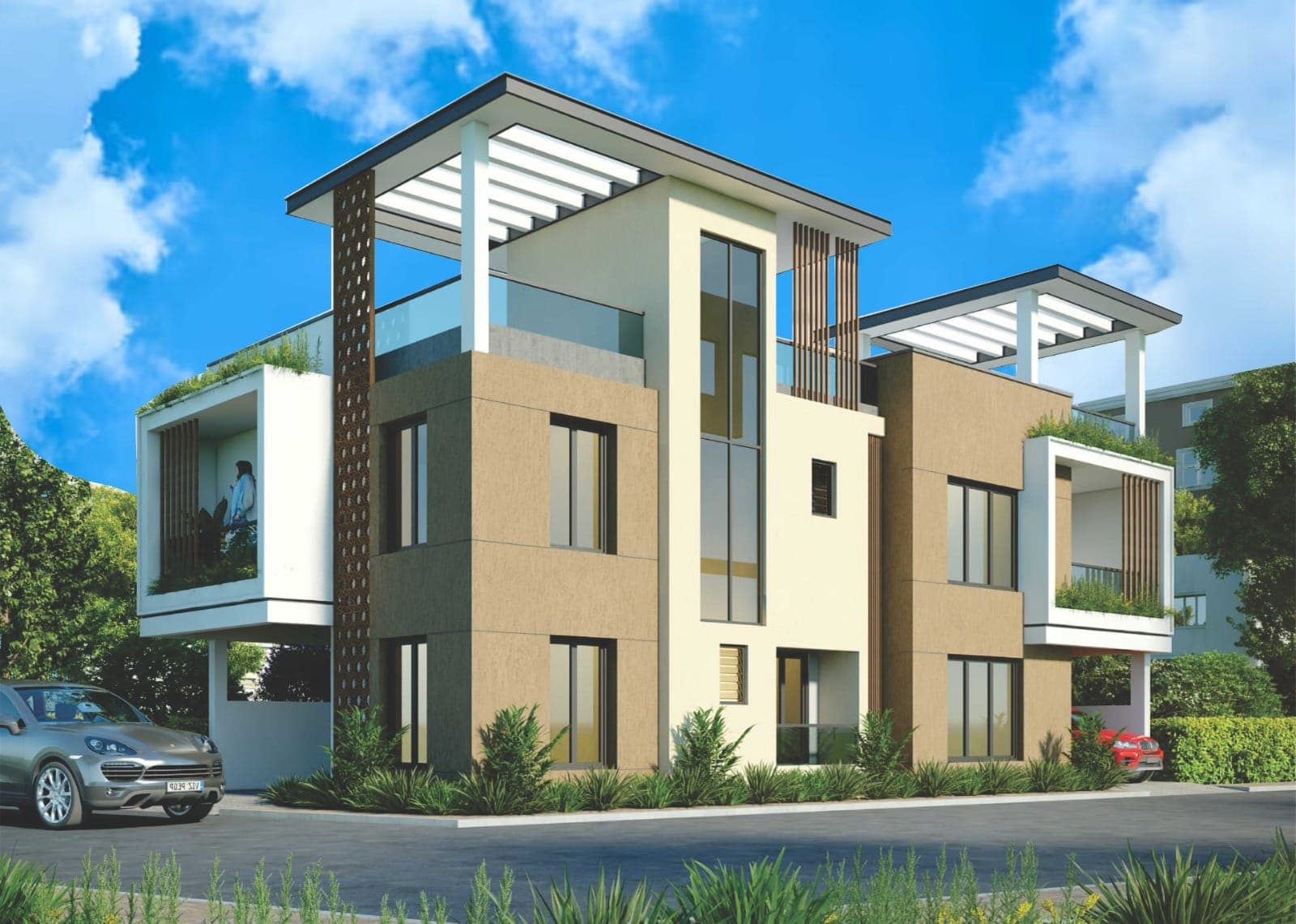
Sustainable living is no longer a luxury but a necessity. As environmental consciousness grows, green building features are becoming essential considerations for modern homebuyers and investors. Here's your guide to sustainable building features that benefit both the environment and your wallet.
Why Choose Green Buildings?
Environmental Benefits
- Reduced carbon footprint and environmental impact
- Conservation of natural resources
- Improved air and water quality
- Waste reduction and recycling
Economic Advantages
- Lower utility bills through energy efficiency
- Higher property values and resale potential
- Reduced maintenance costs
- Government incentives and tax benefits
Health and Comfort
- Better indoor air quality
- Natural lighting and ventilation
- Temperature regulation
- Reduced noise pollution
Essential Green Building Features
Energy Efficiency
Solar Power Systems
- Rooftop solar panels for electricity generation
- Solar water heating systems
- Solar-powered common area lighting
- Battery storage for energy backup
LED Lighting
- Energy-efficient LED fixtures throughout
- Motion sensor lighting in common areas
- Smart lighting controls
- Natural lighting optimization
Insulation and Building Design
- Proper thermal insulation
- Double-glazed windows
- Orientation for natural light and ventilation
- Green roofs and walls
Water Conservation
Rainwater Harvesting
- Collection and storage systems
- Groundwater recharge
- Usage for gardening and maintenance
- Reduced dependency on municipal water
Water Recycling
- Greywater treatment and reuse
- Sewage treatment plants
- Drip irrigation systems
- Water-efficient fixtures
Smart Water Management
- Low-flow faucets and showerheads
- Dual-flush toilets
- Leak detection systems
- Smart irrigation controls
Waste Management
Waste Segregation
- Organized waste collection systems
- Separate bins for different waste types
- Composting facilities for organic waste
- Recycling programs
Waste Reduction
- Biogas plants for organic waste
- E-waste collection and disposal
- Construction waste recycling
- Plastic-free common areas
Indoor Environmental Quality
Air Quality
- VOC-free paints and materials
- Natural ventilation systems
- Air purification systems
- Indoor plants and green spaces
Natural Elements
- Maximum natural lighting
- Cross-ventilation design
- Balcony gardens and terraces
- Views of green spaces
Sustainable Materials
Construction Materials
- Recycled and locally sourced materials
- Low-impact concrete alternatives
- Sustainable wood and bamboo
- Non-toxic finishes and adhesives
Renewable Resources
- Bamboo flooring and furniture
- Cork and natural fiber insulation
- Recycled metal and glass
- Stone and clay-based materials
Smart Technology Integration
Home Automation
- Smart thermostats for climate control
- Automated lighting systems
- Energy monitoring and management
- Water usage tracking
Monitoring Systems
- Real-time energy consumption data
- Air quality monitoring
- Water quality testing
- Maintenance alerts and schedules
Landscaping and Outdoor Spaces
Native Landscaping
- Indigenous plants requiring less water
- Drought-resistant gardens
- Organic farming spaces
- Permeable paving materials
Green Infrastructure
- Green corridors and walkways
- Tree preservation during construction
- Butterfly and bird-friendly spaces
- Community gardens and parks
Certifications to Look For
IGBC (Indian Green Building Council)
- Platinum, Gold, Silver ratings
- Comprehensive sustainability assessment
- Regular audits and compliance
- International standards alignment
LEED (Leadership in Energy and Environmental Design)
- Globally recognized certification
- Points-based rating system
- Third-party verification
- Continuous performance monitoring
Financial Incentives
Government Benefits
- Tax deductions for green building features
- Subsidies for solar installations
- Faster approvals for green projects
- Reduced property taxes in some areas
Long-term Savings
- 30-50% reduction in electricity bills
- Lower water consumption costs
- Reduced maintenance expenses
- Higher property appreciation rates
Questions to Ask Developers
- What green building certifications does the project have?
- What are the expected energy and water savings?
- Are there provisions for renewable energy?
- How is waste management handled?
- What sustainable materials are used in construction?
- Are there green spaces and gardens?
- What is the indoor air quality management plan?
Future Trends
- Net-zero energy buildings
- Biophilic design integration
- Smart grid connectivity
- Carbon-neutral construction
- Circular economy principles
Conclusion
Investing in green buildings is investing in the future. These sustainable features not only contribute to environmental conservation but also provide significant economic benefits and improve quality of life. As Chennai moves towards becoming a smart city, green buildings will become the standard rather than the exception.
When evaluating properties, prioritize developments that incorporate multiple green features and have recognized certifications. The initial investment in sustainable living pays dividends through reduced operating costs, better health outcomes, and higher property values.
Tags

Meera Patel
Sustainability Expert
An experienced real estate professional with deep insights into Chennai's property market trends and investment opportunities.