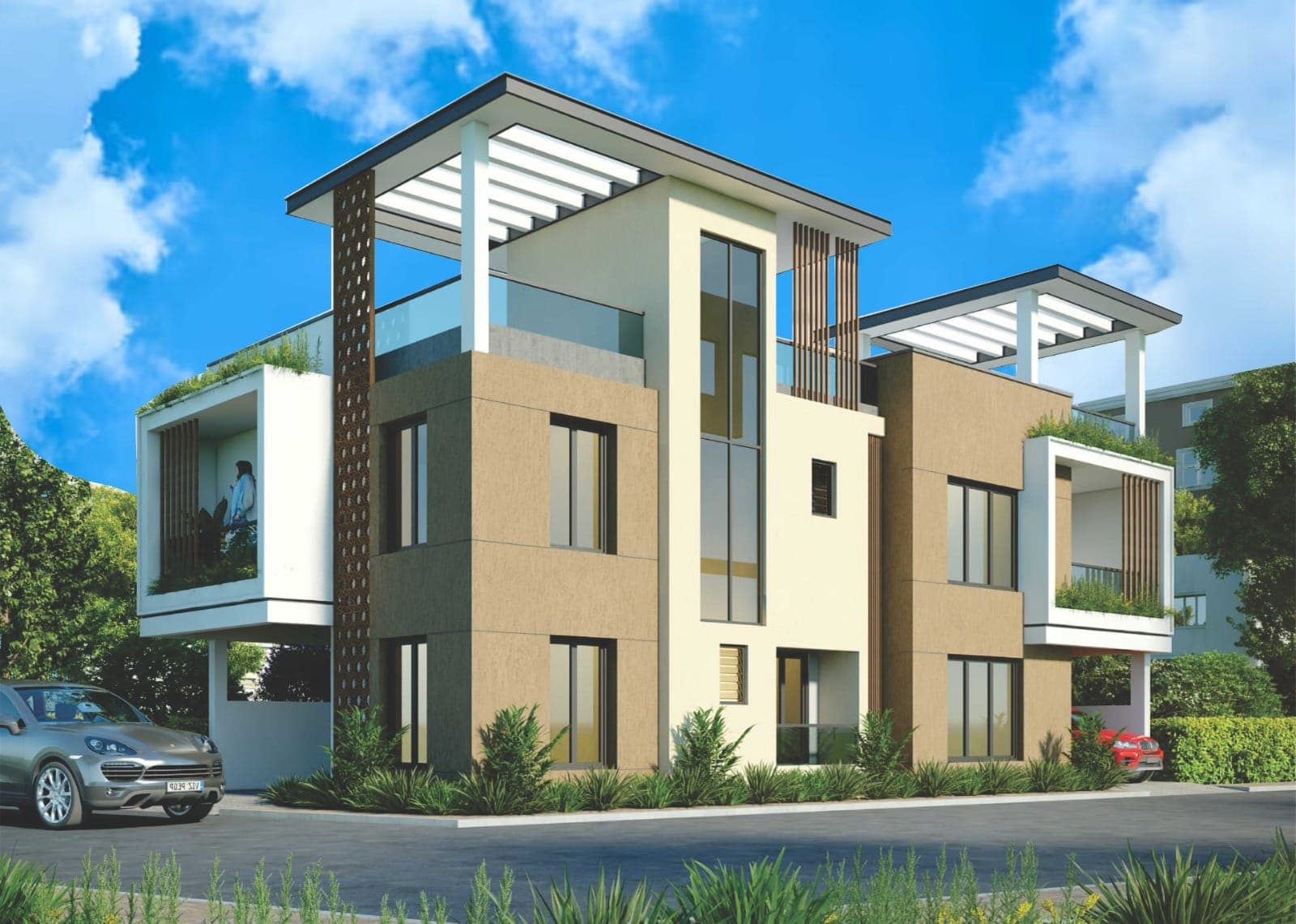
Two buyers look at the same project in Medavakkam. One signs for a finished flat on the third floor, collects the keys in six weeks, and starts paying full EMI from month one. The other picks the identical layout in the next tower that's still going up, pays roughly 10 to 15 percent less, and waits around 20 months for handover. Same builder, same locality, very different deal. Which one made the smarter call?
There's no single right answer, and anyone who tells you otherwise is selling something. The choice between ready-to-move-in and under-construction comes down to your cash flow, your timeline, your appetite for risk, and a tax rule that quietly shifts the maths. I've walked buyers through both sides across Velachery, East Tambaram, Sembakkam and Nanganallur, and the ones who end up regretting their decision usually didn't understand the trade-off they were making. Let's fix that.
This is a different question from resale versus new construction. A flat can be brand new and ready to occupy, or brand new and half-built. Here we're only talking about possession status: can you move in today, or are you buying a promise?
The price gap, and why it exists
As a rough rule across south Chennai in 2026, under-construction flats sell at a discount to a comparable ready unit in the same micro-market. The gap is typically in the range of 8 to 18 percent, widest at the early stage of excavation and foundation, and narrowing as the project nears completion. By the time the building has its completion certificate and a few families have moved in, the discount has mostly evaporated. You're paying for certainty at that point.
The discount is the builder compensating you for two things: the time value of your money locked up while you wait, and the risk that the timeline slips. It isn't a gift. Treat it as the price of patience plus the price of uncertainty. If a project is selling at a steep discount well into construction, ask why. Slow sales, a stalled phase, or an approval problem can all show up as an unusually attractive price.
There's a second layer most buyers miss. Ready flats are often older inventory by the time they're complete, which means the design, the layout efficiency and the amenities were locked in two or three years earlier. A fresh under-construction launch may offer better space planning or a covered car park that the older ready block doesn't have. So the comparison isn't always apples to apples, even within a single developer's portfolio.
GST: the rule that changes the cash maths
This is the single most misunderstood part of the decision, so read it carefully. Under-construction residential flats attract GST. A completed flat sold after the developer has received the completion certificate does not. That difference is real money out of your pocket.
As of 2026, GST on under-construction residential property is broadly 5 percent for standard non-affordable units and 1 percent for those that qualify as affordable housing, both without input tax credit. The exact applicability depends on the project and the unit, so confirm the rate for your specific flat in writing. The key point for our comparison: when you buy a finished flat that already has its completion certificate, GST doesn't apply to your purchase. You're buying a completed immovable property, not a construction service.
Note that GST applies to the construction value, not to the undivided share of land, and the documentation should reflect that split. Stamp duty and registration charges in Tamil Nadu are separate from GST and apply to both ready and under-construction purchases. For how those work, our stamp duty and registration guide breaks down the numbers.
Possession and delay risk
When you buy ready, possession risk is essentially zero. The building exists, you've seen your actual flat, you take the keys. When you buy under-construction, you're trusting a delivery date, and Chennai has a long history of projects running late. A six-month slip is common. A two-year slip happens. A handful of projects stall altogether, for reasons ranging from approval disputes to funding gaps.
The delay isn't just an inconvenience. If you're renting elsewhere, every month of delay is rent you keep paying while also servicing loan interest on amounts already disbursed. That double cost is exactly what the under-construction discount is supposed to offset, and a long enough delay can wipe the discount out entirely.
So how do you manage that risk without simply avoiding it?
- Check the developer's delivery track record in south Chennai specifically. Did their last two or three projects in Velachery, Medavakkam or Tambaram hand over on time? Ask existing residents, not just the sales desk.
- Where applicable, check the project's registration and approved plans. Verify CMDA or DTCP approvals and that the plan matches what's being sold. An unapproved or part-approved project is where most delays and disputes start.
- Compare construction progress against the payment already collected. If buyers have paid 60 percent but only the foundation is done, treat that as a warning sign.
- Prefer projects where a meaningful number of units are already sold and a few towers are complete or occupied. Momentum reduces stall risk.
As general buyer prudence, where a project falls under regulatory registration, confirm that registration and the committed completion date as part of your due diligence. That's standard practice, not a claim about any particular inventory.
Payment structure and EMI timing
The cash flow patterns are completely different, and for a lot of buyers this matters more than the headline price.
Under-construction: the construction-linked plan
Most under-construction flats use a construction-linked payment plan. You pay in tranches tied to building stages: a booking amount, then slabs released on foundation, each floor, brickwork, finishing and handover. The advantage is that your money goes out gradually, matching the build. The lender disburses against the same milestones.
During this period you typically pay pre-EMI, which is interest only on the amount disbursed so far. Your full EMI of principal plus interest usually starts once the loan is fully disbursed, around possession. So your outgo ramps up slowly. The catch: if you're also paying rent on your current home, you carry both rent and pre-EMI at the same time until you move in.
Ready-to-move: full payment, full EMI, day one
With a ready flat, the loan is disbursed in one shot against the finished property and your full EMI begins immediately. There's no pre-EMI ramp. There's also no long-run double burden, because you can move in and stop paying rent, or put a tenant in and start earning. The EMI is higher from month one, but it's buying you occupancy or income straight away.
What you can actually inspect
With a ready flat, you inspect the real thing. The actual floor, the actual view, the actual ventilation, water pressure, lift wait, how the corridor smells, how much afternoon heat the west wall takes. You can walk the road outside at 9 am and again at 9 pm. You can talk to neighbours who've already moved in. This is a genuine advantage and an underrated one, because how a flat lives rarely matches the brochure.
With under-construction, you're working from a sample flat, floor plans and renderings. Sample flats are built to impress, with better fittings, careful lighting, and sometimes a layout a touch more generous than the standard unit. The carpet area you actually get can feel smaller than the show flat suggested. Understanding what you're really paying for matters here, so read our explainer on carpet area versus saleable area before you sign.
Things you cannot fully judge on an under-construction flat: real natural light at your floor and orientation, actual finish quality, how the common areas turn out, and whether the promised amenities materialise as shown. Floor and orientation in particular drive both daily comfort and resale, which is why we cover floor selection for heat, monsoon and noise and Vastu considerations separately. With ready, you verify all of it before you pay.
When income or self-occupation begins
This part is straightforward but decisive. A ready flat can generate rent or house you immediately. The moment you register and take possession, the clock starts working for you. If you're an investor focused on yield, that's months of rental income an under-construction flat simply cannot match while it's still being built. For a sense of what those returns look like by locality, see our rental yields breakdown for south Chennai.
Under-construction defers all of that to handover, and then a little beyond, because a freshly handed-over flat usually needs some setup before it's tenant-ready or comfortable to live in. For a self-occupier who can wait, that's fine. For an investor counting on cash flow, every month of delay is yield you'll never recover.
Loan disbursement differences
Banks treat the two cases differently in ways worth knowing before you apply.
- Ready flat: typically a single full disbursement against the completed, registered property. Faster to close, full EMI starts immediately, and the bank values a real, finished asset.
- Under-construction flat: staged disbursement tied to construction milestones, with pre-EMI on the disbursed portion until completion. The bank verifies progress before releasing each tranche.
- Approval scrutiny: lenders are usually more cautious on under-construction projects and often maintain an internal list of approved ones. A flat in a non-approved project can be harder or slower to finance.
- Documentation: ready purchases close faster because the title and completion paperwork already exist; under-construction involves builder tripartite arrangements and milestone tracking.
Your borrowing capacity is the same in both cases, but the cash-flow shape differs. To size up what you can borrow and what the EMI looks like, work through our home loan eligibility guide for south Chennai flats. And whichever route you choose, run the title and approval paperwork against our property documents checklist.
Which buyer profile each option suits
Strip away the noise and it comes down to who you are and what you're optimising for.
Ready-to-move makes sense if you
- Need to move in soon, for school admissions, a job relocation, or because you're done renting.
- Want zero possession risk and the ability to inspect exactly what you're buying.
- Are an investor who wants rental income starting immediately.
- Prefer to avoid GST on the purchase and value cost certainty over a lower headline price.
- Can comfortably carry full EMI from day one without a long rent-plus-pre-EMI overlap.
Under-construction makes sense if you
- Are buying ahead of a future need, where possession in a couple of years lines up with your plan, and can afford to wait.
- Want the lower entry price and the gradual, milestone-based payment that eases cash flow early on.
- Are buying from a developer with a strong, verifiable south Chennai delivery record, which lowers the delay risk.
- Want first pick of floors, orientation and units in a new launch, plus possible appreciation between booking and handover.
- Have your current housing sorted, so a delay dents your plans but not your wallet too badly.
The bottom line
Ready-to-move costs more on paper but buys you certainty, immediate use, no GST, and the ability to verify everything before you pay. Under-construction costs less, spreads your payments, and can appreciate while you wait, but you carry delay risk, GST, and the gap between brochure and reality. Neither is universally better. The right choice is the one that matches your timeline, your cash flow, and how much uncertainty you can stomach.
My honest steer for most first-time buyers in south Chennai who are renting now and want to stop: lean ready, or lean near-complete. The peace of mind and the absence of a long double-payment squeeze are worth a lot. For patient buyers with stable housing and a trusted developer, under-construction can genuinely save money. Just go in with eyes open about the timeline.
For more on the locations and decisions around this choice, see our resale vs new construction guide, the Velachery buyers field guide, the Medavakkam buying guide, and the 2 BHK vs 3 BHK decision framework. When you're ready to compare specific ready and under-construction options side by side, reach out to our team and we'll walk the all-in numbers with you.
Tags

Muthamil Selvan
Senior Property Consultant
An experienced real estate professional with deep insights into Chennai's property market trends and investment opportunities.